Understanding Foundation Heaving
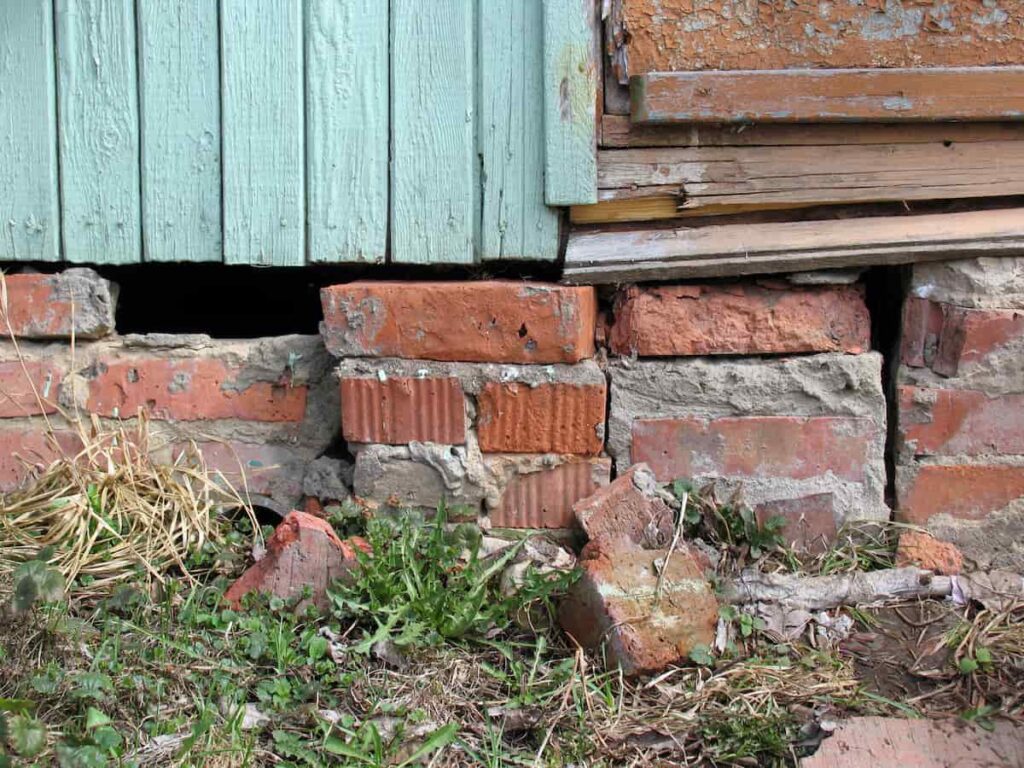
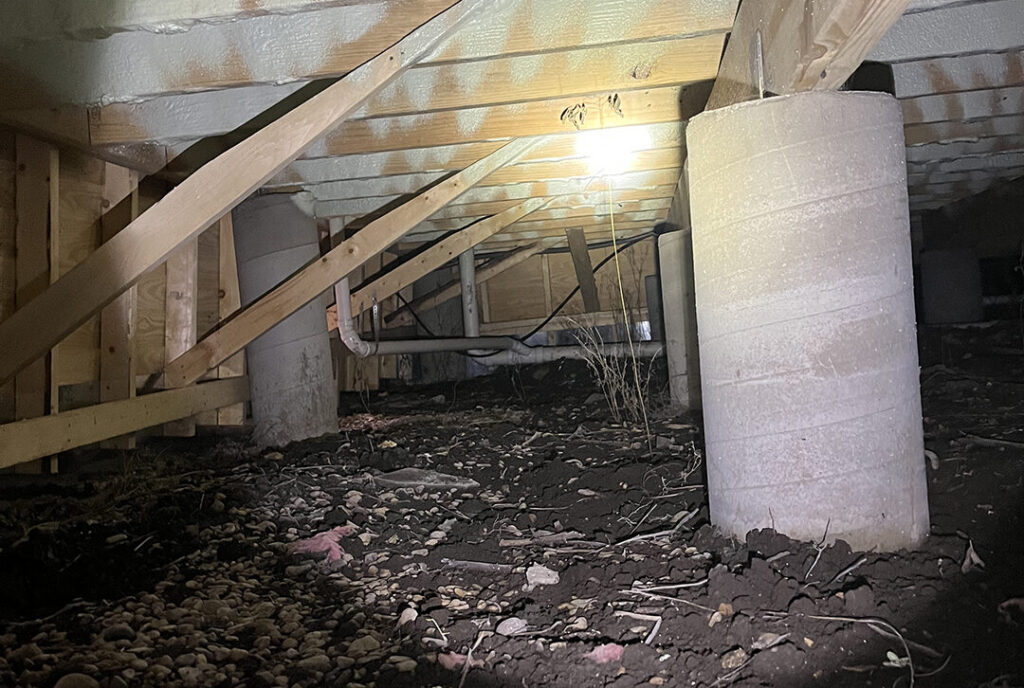
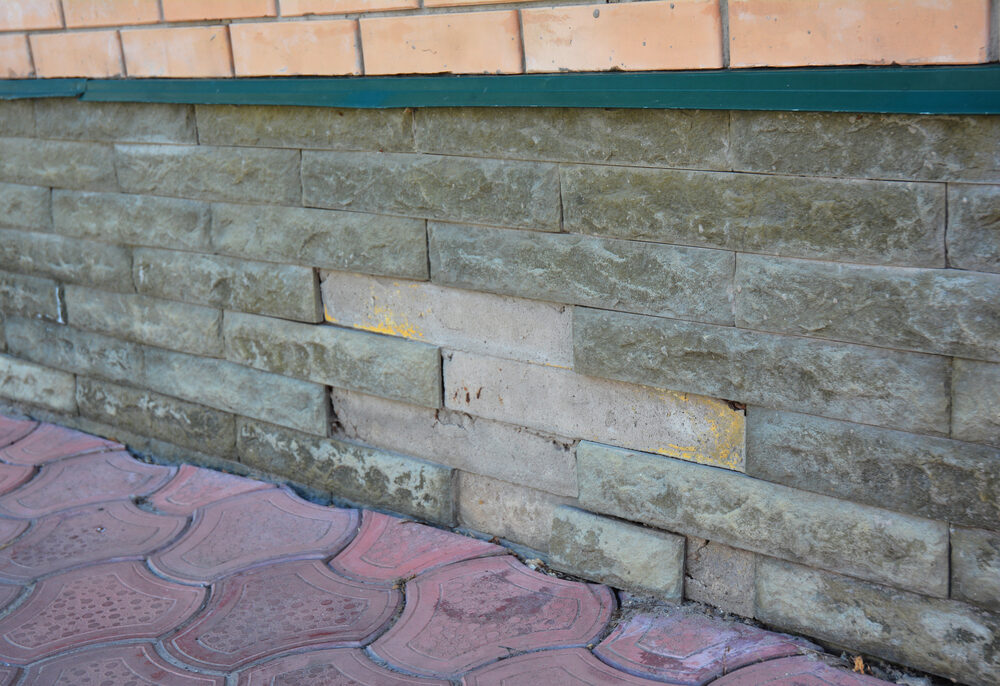
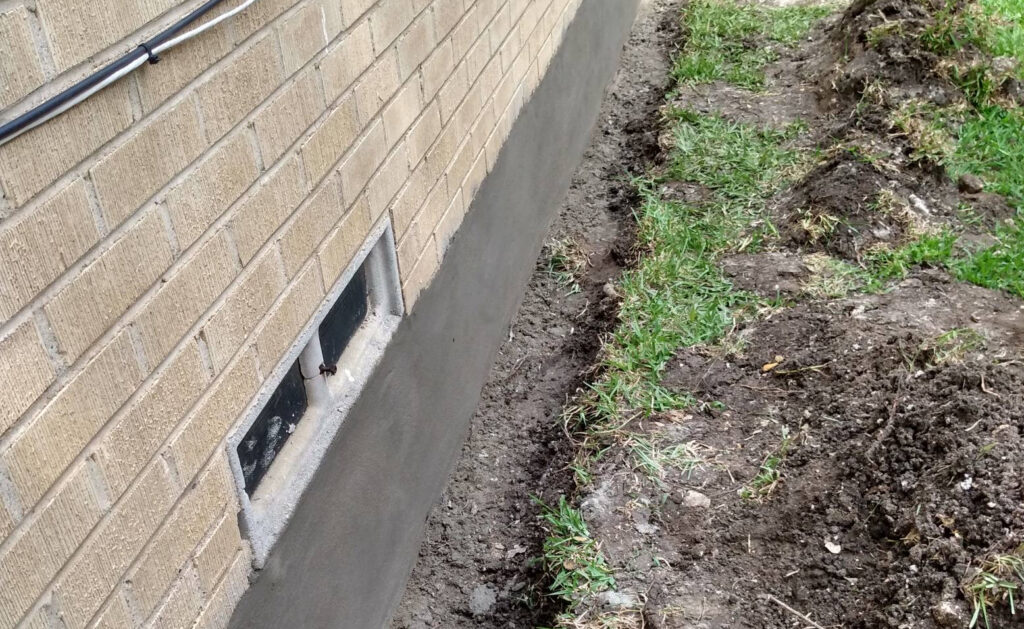
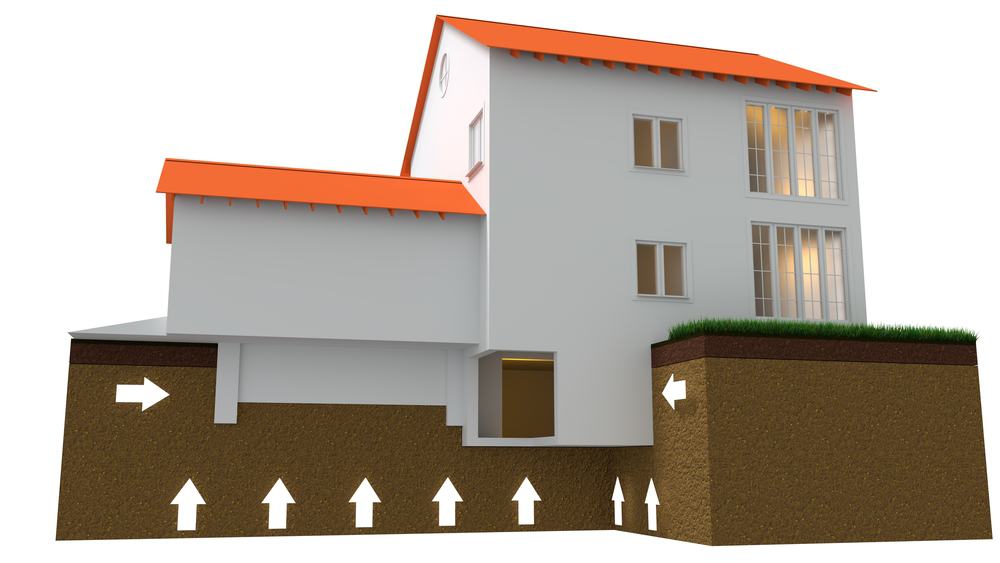
Foundation heaving refers to the upward movement of a building’s foundation, which is more common in concrete slab foundations. This phenomenon occurs when the supporting soil beneath the foundation expands and contracts in response to changes in ground moisture levels. Typically manifesting as:
- Cracks in walls and flooring
- Doors and windows that jam or fail to open properly
- Sloping or Uneven floors
Foundation upheaval is distinct from foundation settlement, which is the downward movement of a foundation. Heaving exerts an upward force, potentially leading to structural damage.
Fortunately, this problem is often correctable. Solutions focus on:
- Identifying and mitigating the source of excess moisture
- Stabilizing and reinforcing the soil
- Adjusting the foundation to its original level
Proactive measures are advised to address the early signs of foundation heave. These include monitoring for new or widening cracks in the structure or difficulty operating doors and windows to prevent significant structural issues.
Not sure what's going on under your home? FCS will tell you straight — free on-site inspection and an honest written estimate.
Get a Free InspectionWhat Is Foundation Heaving?
Regarding foundation issues, one problem that many people need to recognize by name is heaving. But what exactly is foundation heaving? Although heaving can happen to any foundation, it’s much more familiar with concrete slab foundations.
As homeowners, we’ve seen the damage foundation heaving can cause firsthand. The soil underneath a foundation can expand and contract based on the ground’s moisture. When the soil swells, it causes the foundation to lift unevenly. This results in cracks in walls and floors, doors and windows that stick or won’t open, and uneven or sloping floors.
Causes of Foundation Heaving
Foundation heaving occurs when the underlying soil expands, exerting an upward force on a building’s base. This condition often affects concrete slabs and can arise from several factors:
- Excessive Moisture: Different types of Soils, especially those with high clay content, tend to swell due to excessive moisture. This expansion can come from heavy rains, faulty gutters, or poor drainage systems allowing water buildup. Clay particles absorb water as moisture infiltrates, causing a significant volume increase and exerting upward pressure on the foundation.
- Plant Growth: Root systems of trees and large plants seek moisture and nutrients, potentially encroaching beneath foundations. Over time, expanding tree roots can disrupt the surrounding soil and physically lift the foundation from below.
- Climatic Variation: The freeze-thaw cycle can induce foundation heaving in colder regions. When temperatures drop below the frost line, water in the soil freezes, expands, and pushes against the foundation. Repeated cycles worsen the displacement.
- Expanding Soil Composition: Foundations resting on soils with high expansivity, such as clay soils, are vulnerable to heaving. The soil’s propensity to absorb water and expand during wet spells, followed by contraction during dry periods, creates a fluctuating environment that disturbs the foundation’s stability.
Maintaining moisture balance is critical to deter the risk of heaving. Ensuring proper drainage away from the foundation is essential, incorporating measures such as effective gutter systems and strategic landscaping. Pinning with piers may correct and stabilize the affected foundation when heaving occurs. Regular monitoring and proactive maintenance can prevent the long-term structural damages often associated with foundation heaving.
Indicators of Potential Foundation Heave Complications
Visual Evidence of Structural Tension
As the ground shifts beneath a house, one of the most noticeable indicators can be the appearance of fissures within interior and exterior walls and the ceiling. These wall cracks generally manifest in a diagonal pattern around doorways and window frames. They don’t remain static; instead, they widen and extend over time, which reflects the persistent movement of the foundation.
Resistance in Doors and Windows
A foundation heaving typically leads to irregular movement within the structure’s base, causing door and window frames to warp. As a result, doors and windows that once opened with ease might now present problems closing properly or may stick, suggesting the need for a thorough foundation evaluation.
Disparities in Flooring
When a foundation wall experiences upheaval, one of the common problems is a disruption in the uniformity of floor slabs. You might notice the floor has a noticeable tilt, or parts of the floor may feel unstable. A spongy sensation when walking across the floor or visible sloping strongly indicates underlying foundation issues.
Disturbances in Plumbing
Plumbing complications can arise when foundation shifts exert undue pressure on pipelines. These issues may present as unexpected clogs, diminished water pressure, or unexplained leaks. Encountering new plumbing issues can be indicative of deeper foundation problems. If these problems suddenly emerge, seeking plumbing and foundation professional evaluations is often beneficial for plumbing and foundation.
It’s essential to approach the early signs of foundation heave with a clear understanding that these manifestations are not static. They typically evolve and could signify more significant, impending issues with the entire structure. A proactive stance in addressing any signs can be critical in mitigating the extensive damage that might otherwise occur due to foundation movement. Consulting with specialists who recognize these symptoms can prevent further damage to your home’s foundation.
Risks of Overlooking Foundation Uplift
Consequences for Structural Integrity
Foundation uplift jeopardizes the soundness of a home. Irregular lifting of the foundation results in fractures across walls and flooring, with the potential for doors and windows to become misaligned. Significant structural damage may occur in extreme scenarios, leading to a compromised structure.
- Cracks and fractures in walls and flooring
- Misalignment of doors and windows
- Severe heave damage affecting structural stability
Plumbing and Wiring Complications
With the movement of a house’s foundation, pipelines and electrical systems suffer. Plumbing lines could warp, triggering leaks or ruptures, while electrical connections may loosen or snap, leading to potential fire risks.
- Twisting and breakage of plumbing lines
- Disconnection or tearing of electrical wiring
- Hidden damages causing water problems and fire hazards
Hazards to Health and Safety
A shifting foundation induces various hazards. Uneven surfaces can be tripping hazards, while dampness from water damage may encourage mold growth, impairing respiratory health. The risk of gas leakage and fires increases with severe damage to gas pipes or heating systems.
- Trips and falls due to uneven flooring
- Mold growth from water ingress
- Risks of gas leaks and fire
- Underground water line leaks
Financial Impact of Delayed Repairs
Delaying remediation for foundation uplift leads to exorbitant expenses. Initial repair estimates might start from thousands of dollars, escalating with the extent of destruction. Early intervention is crucial to prevent rising costs and preserve proper drainage to avoid serious heave damage.
- Extensive damage leading to costs between $10,000 to $100,000+
- Importance of addressing foundation concerns early to contain costs
- Necessity of proper drainage systems to prevent too little drainage and subsequent damage
Repairing a Heaved Foundation
Recognizing the Issue
To begin addressing a foundation shift, it’s crucial to assess the extent of the heave by a visual check for specific indicators. Look for fractures in walls, uneven floors, and malfunctioning doors and windows, as these symptoms suggest the base has shifted, compromising the structure it supports.
Stabilizing the Base
Creating a strategy to underpin and realign the foundation is vital, frequently employing helical piers around the periphery and hydraulic jacks for gradual elevation and leveling. During the lift, gaps beneath are filled with concrete to solidify the soil permanently.
Securing and Aligning the Structure
Following the foundation’s alignment, the focus shifts to ensuring that walls and floors are level and stable. This might involve installing braces, anchors, and beams for additional security. Additionally, reinforcing floor joists and supports is critical to avoid future deformities.
Ensuring Long-lasting Stability
The objective is to implement a lasting resolution to halt additional upheaval. For comprehensive stability, steel piers are driven into the ground, reaching the stable soil below the frost line, ideally anchoring into bedrock. Concrete applied underneath the base averts erosion. Upon securement, subsequent repairs can be made to the structural surfaces impacted.
Securing a seasoned foundation specialist is paramount in remedying a heaved base, as their expertise ensures a thorough assessment, an efficient repair regimen, and a steadfast solution to restore peace of mind within your residence.
Conclusion
Recognizing the importance of a stable foundation is crucial for maintaining a home’s safety and longevity. The timely identification and remediation of foundation heaving—often an unfamiliar issue—can prevent further structural damage. Homeowners are advised to conduct periodic inspections for early detection of this condition. Proactive measures include looking for signs like difficulty in operating doors or the emergence of cracks. If these symptoms are present, it is highly advised to seek expert assessment promptly. Such actions ensure that homes remain secure, averting the risks associated with foundation heaving.
Worried about your foundation?
Get a free on-site inspection and an honest written estimate from FCS — before you spend a dollar. 25+ years on DFW clay, lifetime transferable warranty.
Book Your Free Evaluation📞 (972) 975-9338